
Emergency Roofing Repairs: What You Need to Know
- MJ G
- Oct 1, 2025
- 4 min read
When disaster strikes, your roof is often the first line of defense against the elements. A sudden leak, missing shingles, or storm damage can leave you feeling overwhelmed. Understanding emergency roofing repairs is crucial for every homeowner. This guide will help you navigate the process, ensuring you know what to do when the unexpected happens.
Understanding Emergency Roofing Repairs
Emergency roofing repairs are necessary when your roof sustains damage that could lead to further issues if not addressed quickly. This can include leaks, holes, or structural damage. Recognizing the signs of damage early can save you time and money in the long run.
Common Causes of Roof Damage
Several factors can lead to emergency roofing repairs. Here are some of the most common causes:
Severe Weather: Heavy rain, snow, and wind can cause significant damage to your roof. High winds can lift shingles, while heavy rain can lead to leaks.
Falling Debris: Trees, branches, or other debris can fall on your roof, causing immediate damage.
Age and Wear: Over time, roofs can deteriorate. Regular maintenance is essential to prolong the life of your roof.
Poor Installation: If your roof was not installed correctly, it may be more susceptible to damage.
Signs You Need Emergency Repairs
Knowing when to call for emergency repairs can save you from more extensive damage. Look for these signs:
Water Stains on Ceilings or Walls: This often indicates a leak in your roof.
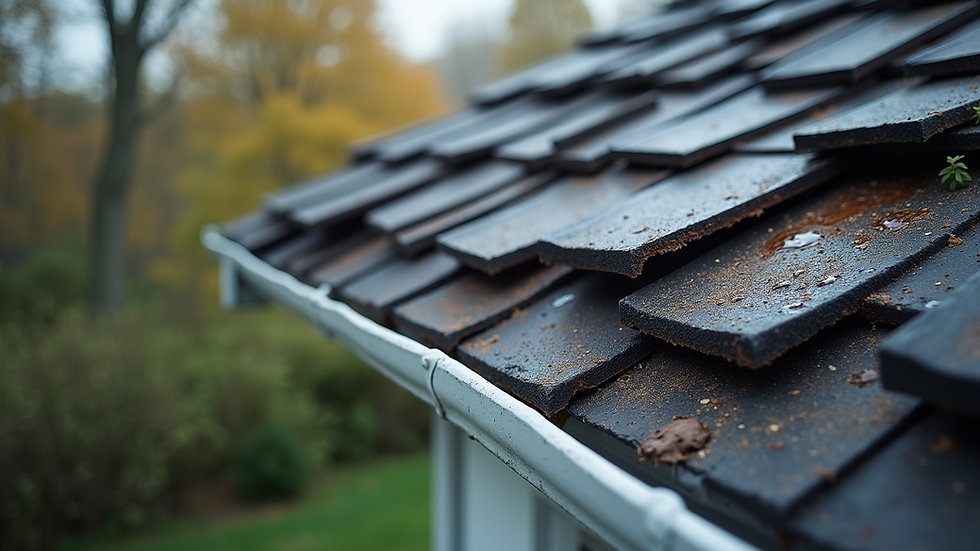
Missing or Damaged Shingles: If you notice shingles that are cracked, curled, or missing, it is time to take action.
Sagging Roof Deck: A sagging roof can indicate structural issues that need immediate attention.
Visible Holes or Gaps: Any holes or gaps in your roof should be addressed right away to prevent further damage.
Steps to Take During an Emergency
When you discover roof damage, it is essential to act quickly. Here are the steps you should follow:
Assess the Damage: If it is safe, go outside and inspect your roof. Look for missing shingles, leaks, or other visible damage.
Document the Damage: Take photos of the damage for your records and to share with your insurance company.
Cover the Area: If you have a leak, use a tarp or plastic sheeting to cover the area temporarily. This can help prevent further water damage.
Contact a Professional: Reach out to a roofing contractor who specializes in emergency repairs. They can assess the damage and provide a solution.
Choosing the Right Roofing Contractor
Selecting the right contractor is crucial for effective emergency repairs. Here are some tips to help you choose:
Check Credentials: Ensure the contractor is licensed and insured. This protects you from liability in case of accidents.
Read Reviews: Look for customer reviews and testimonials. This can give you insight into the contractor's reliability and quality of work.
Get Multiple Quotes: Don’t settle for the first quote you receive. Getting multiple estimates can help you find the best price and service.
Ask About Experience: Inquire about the contractor's experience with emergency repairs. A seasoned professional will know how to handle urgent situations effectively.
Temporary Solutions for Roof Damage
While waiting for professional help, there are temporary solutions you can implement to minimize damage:
Use Tarps: If you have a leak, cover the area with a tarp. Secure it with weights or ropes to prevent it from blowing away.
Seal Small Leaks: For small leaks, you can use roofing cement or sealant as a temporary fix. Apply it directly to the leak and allow it to dry.
Clear Debris: Remove any debris from your roof, such as branches or leaves. This can help prevent further damage.
Long-Term Solutions
Once the immediate emergency is addressed, consider these long-term solutions to prevent future issues:
Regular Inspections: Schedule regular roof inspections to catch potential problems early.
Maintenance: Keep your roof clean and well-maintained. Remove debris and check for signs of wear regularly.
Upgrade Materials: If your roof is old, consider upgrading to more durable materials that can withstand severe weather.
Insurance and Emergency Repairs
Understanding your insurance coverage is essential when dealing with emergency roofing repairs. Here are some key points to consider:
Review Your Policy: Check your homeowner's insurance policy to see what types of roof damage are covered.
Document Everything: Keep detailed records of the damage, repairs, and any communication with your insurance company.
File a Claim: If your damage is covered, file a claim as soon as possible. Provide your insurance company with all necessary documentation.
The Importance of Quick Action
Taking quick action during a roofing emergency can make a significant difference. Delaying repairs can lead to more extensive damage and higher costs. Here are some reasons why acting fast is crucial:
Prevent Further Damage: Quick repairs can stop leaks and prevent water damage to your home.
Lower Repair Costs: Addressing issues early can save you money in the long run. Small repairs are often less expensive than major renovations.
Maintain Home Value: Keeping your roof in good condition helps maintain your home's value. A well-maintained roof is attractive to potential buyers.
Conclusion: Be Prepared for the Unexpected
Emergency roofing repairs can be daunting, but being prepared can make the process smoother. By understanding the signs of damage, knowing what steps to take, and choosing the right contractor, you can protect your home from further issues. Remember, quick action is key. Stay vigilant and proactive about your roof's condition, and you will be better equipped to handle any emergencies that arise.


Comments